

When I first slipped on a headset, the room around me seemed to shrink. A simple 90‑degree field of view and a 120 Hz refresh rate turned my living room into a living room that could also be a concert hall, a museum, or a beachside escape. That’s the core of VR: it replaces the flat screen with an immersive, stereoscopic world that reacts to your movements.
Beyond the Gamepad: VR as a Storytelling Medium
Most people think of VR as a gaming niche, but the same technology is now powering narrative experiences that feel like walking through a novel. One example is a 2023 release that lets you inhabit the mind of a historical figure, with branching dialogues that change the plot. The dialogue options are limited to three choices per scene, and each choice triggers a different set of audio cues and visual changes. For users who enjoy interactive fiction, this feels like an upgrade from a text adventure to a fully voiced, 3D environment.
Reinventing Live Events and Concerts
Virtual concerts have moved from novelty to mainstream. A 2024 festival streamed to VR headsets offered a 360‑degree view of a stage, with the ability to switch camera angles by turning your head. The audio was mixed in binaural format, giving the sensation of being right next to the guitarist. The platform also supported a “fan club” feature where attendees could purchase virtual merchandise that appears on their avatar’s clothing. The cost of a single virtual ticket is around £30, which is comparable to a physical concert ticket, but the experience is accessible from any room.
Fitness and Wellness in a New Dimension
VR fitness apps have introduced motion‑based workouts that feel less like exercise and more like play. A popular app uses a 3‑point tracking system to measure arm swings and leg kicks, awarding points for correct form. The reward system is simple: each session earns you a virtual badge that unlocks a new environment, such as a mountain trail or a beach sunrise. Users report that the immersive setting keeps them engaged for up to 20% longer than traditional treadmill workouts.
Educational Adventures Without Leaving Home
Classrooms are starting to use VR for field trips that would otherwise be impossible. A science teacher in London used a 2024 VR module to take students inside a human heart, with a 3‑second pause at each chamber to explain blood flow. The module includes a quiz that updates in real time, and the teacher can see which students are lagging behind. The cost per student is roughly £5 for a month of access, making it a cost‑effective supplement to textbook learning.
Connecting VR to Online Gaming Communities
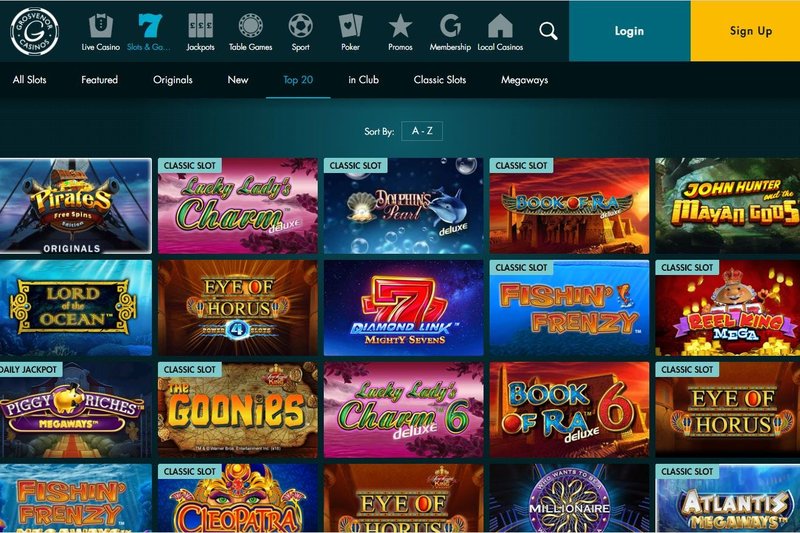
Many VR experiences are now linked to online gaming platforms, where users can meet friends in shared virtual spaces. For example, a popular multiplayer game lets players gather in a virtual lounge, chat, and watch live streams of other players’ matches. If you’re looking for a place where VR and online gaming intersect, you might want to check out Spin Boss, which offers a range of VR accessories that enhance the online multiplayer experience.
Practical Considerations for Home Set‑up
- Space Requirements: A minimum of 2 m × 2 m is needed to move safely. The headset’s sensors must be placed on opposite walls.
- Hardware Cost: Entry‑level headsets start at £300, while high‑end models with inside‑out tracking reach £800.
- Software Library: As of early 2025, there are over 1,200 VR titles available across platforms, with 30% focused on non‑gaming content.
- Comfort: Most users find a headset with adjustable straps and a weight‑balanced design more comfortable for sessions longer than 45 minutes.
Which Path Should You Take?
If your goal is pure entertainment, a mid‑range headset paired with a subscription to a streaming VR service will give you the most bang for your buck. For educators or parents, a budget model with a robust library of non‑gaming titles can be a worthwhile investment. And if you’re a fitness enthusiast, look for a headset that supports motion‑tracking apps; the added engagement can make workouts feel less like chores.
Virtual Reality is no longer confined to the realm of video games. Its reach into storytelling, live events, fitness, and education is reshaping how we spend our leisure time at home. By choosing the right hardware and exploring the growing ecosystem of non‑gaming content, you can turn your living room into a portal to countless worlds.