

Mobile gaming is any activity that uses a phone or tablet to play interactive software—anything from puzzle apps to real‑time strategy titles. For someone who moves between cafés, co‑working spaces, and airports, the phone becomes a pocket console that can keep the brain sharp while the body explores.
Start with the Right Device
Not all smartphones are created equal. If you plan to play graphically intense games, look for a model with at least a 6‑inch OLED display, a Snapdragon 8 Gen 2 or Apple A16 chip, and 8 GB of RAM. For light puzzle or casual titles, a mid‑range phone with 4 GB RAM will suffice. Battery life is another factor; a 5000 mAh battery can last a full day of gaming and work when you’re on a train.
Choose Games That Match Your Schedule
- Quick‑Play Titles – Games that can be completed in 5‑10 minute bursts keep you entertained during short breaks.
- Long‑Form Adventures – If you have a 2‑hour window, look for narrative‑driven games that auto‑save, so you can pick up where you left off after a flight.
- Multiplayer Options – Online co‑op games are great for connecting with friends, but they need a stable Wi‑Fi connection. When on a plane, use offline modes.
Optimize Settings for Performance and Battery
Lower the graphics quality to 60 fps if you’re playing in a cramped seat. Disable background apps to free RAM. Turn on the battery saver mode that throttles CPU usage; you’ll lose a few frames but gain 30 minutes of playtime. Test each setting before you leave the office so you know how long the battery will last under real conditions.
Secure Your Data While Traveling
Use a VPN that offers a dedicated gaming server to reduce lag. Store game saves in the cloud—most major platforms have built‑in sync features. If you’re in a country with strict data laws, double‑check that the service you use complies with local regulations. A simple backup to a USB drive can save you a trip back home if the cloud goes down.
Balance Work and Play Without Overstaying
Set a timer: 25 minutes of focused work, then 5 minutes of gaming. This routine follows the Pomodoro technique and keeps your productivity high. If you find yourself losing track of time, switch to a game that rewards completion with real‑world benefits, like a language learning app that unlocks new lessons after each session.
Leveraging Gaming for Cultural Immersion
Many mobile games incorporate local folklore or city maps. For instance, a treasure‑hunt game set in Kyoto will give you clues about historical sites you can visit in person. This dual experience turns idle moments into cultural lessons.
Finding Reliable Entertainment Resources
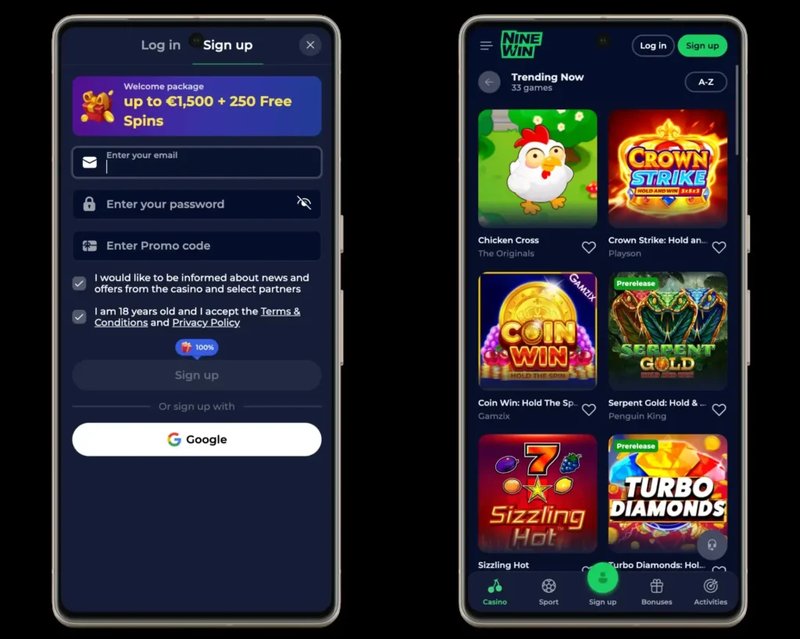
When you’re looking for new titles or want to compare reviews, a quick search can lead you to communities that share tips. For example, the community at Ninewin offers a curated list of mobile games that are both fun and low on data usage, which is handy when you’re in a country with expensive roaming charges.
Final Thoughts: Play Smart, Travel Smart
Mastering mobile gaming as a digital nomad isn’t about spending endless hours on your device. It’s about choosing the right tools, setting boundaries, and turning play into a productive break. With the right setup, you can stay entertained, stay connected, and keep your work momentum going no matter where you’re parked.
Frequently Asked Questions
Why is mobile gaming useful for digital nomads?
It offers quick, engaging breaks that sharpen focus without needing a full PC setup.
What device should I choose for gaming while traveling?
Opt for a phone with a 6‑inch OLED screen and a Snapdragon 8 Gen 2 or Apple A15+ for smooth performance.