

The Allure of the Casino Environment
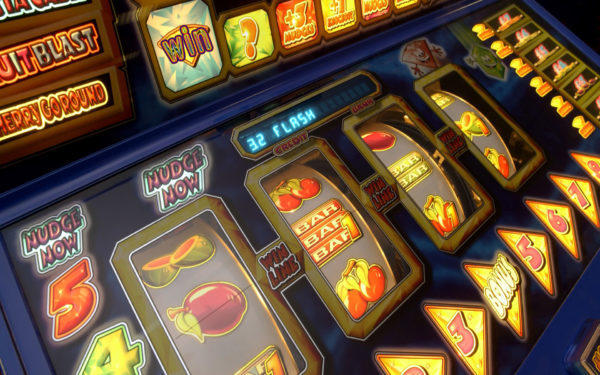
The casino environment is specifically designed to entice and engage visitors, often through vivid lights, captivating sounds, and a vibrant atmosphere. From the moment one steps inside a casino, the sensory overload can create a thrilling experience that overshadows logical thought. This carefully curated ambiance can lead many gamblers to lose track of time and money as they become engrossed in the excitement; for example, some may choose to sign in Gamblezen casino to prolong their experience. Consequently, it’s important for players to recognize that this enticing environment can mask hidden costs associated with gambling.
Moreover, psychological tactics are prevalent in casinos, with establishments utilizing strategies such as free drinks, rewards programs, and loyalty incentives. These perks can make players feel valued, encouraging them to spend more time—and, by extension, more money—at the tables or slots. While these offerings might initially appear to be beneficial, they can amplify the tendency to gamble more, leading to potential financial strains that aren’t immediately apparent. It’s essential for gamblers to stay aware of their limits and resist the temptation to indulge in these seemingly harmless incentives.
Corners of the casino, like high-stakes tables or exclusive lounges, further enhance the illusion that gambling is a glamorous and rewarding endeavor. However, the odds are often stacked against players, not just in terms of gameplay but also concerning the potential for losses. The lavish lifestyle portrayed within the casino world can create unrealistic expectations about winning, making it easy for gamblers to overlook the inherent risks and costs that come with the territory.
The Financial Toll of Gambling Losses
One of the most significant hidden costs of gambling in casinos is the financial losses players incur over time. Even for the most experienced gamblers, the likelihood of losing money is much higher than that of winning. Many players tend to focus on the occasional wins, leading them to underestimate how quickly cumulative losses can add up. An understanding of this financial reality is crucial for any individual engaging with a casino setting.
When considering the average player, it is common for individuals to budget for their gaming, only to find that they significantly exceed their initial limits. The initial fun can turn into an obsessive pursuit of recouping losses, making players more likely to gamble recklessly. Recognizing these patterns can help individuals distance themselves from the emotional highs and lows that gambling often brings and can prevent them from making detrimental financial decisions.
Additionally, hidden costs extend beyond immediate losses at the gaming tables. Casual gamblers may overlook ancillary expenses, such as parking fees, food, drinks, and entertainment costs during their casino visit. These charges can accumulate quickly and contribute to a larger financial burden that is often unaccounted for until the end of the night. Being aware of these potential pitfalls can foster more responsible gambling habits and help players manage their budget effectively.
The Impact of Gambling on Personal Relationships
The hidden costs of gambling are not limited to finances; personal relationships can also suffer due to gambling habits. As individuals prioritize their casino activities, family and friends may feel neglected or undervalued. The time spent at gambling venues can lead to decreased quality of relationships, as loved ones may grow frustrated with the gambler’s obsession. It is essential for individuals to recognize that gambling can create a disconnect from their social circles.
Furthermore, the emotional strain that gambling can place on relationships can lead to misunderstandings, mistrust, and resentment. Partners or family members may become increasingly concerned about the time and resources dedicated to gambling, especially if it begins to impact financial stability. Open communication is vital, and it’s crucial for gamblers to discuss their habits and limits with loved ones to maintain healthy relationships.
The impact of gambling can even extend to legal issues when individual actions lead to financial distress. Borrowing money to fund gambling endeavors can lead to further complications, including debt and potential legal entanglements. It’s critical for those who engage in gambling to consider the broader implications of their actions and how they might affect their close relationships over time.
Acknowledging Addiction and its Costs
Recognizing the potential for gambling addiction is another crucial aspect of understanding the hidden costs associated with casino gambling. Gambling can easily transition from a fun activity to a compulsive behavior that affects various facets of life. For some individuals, the thrill of gambling can become an addiction that overshadows their daily responsibilities, leading to a range of negative consequences both personally and financially.
It’s essential for gamblers to be aware of the signs of addiction, such as the inability to control the urge to gamble or the need to gamble with increasing amounts of money to achieve the same level of excitement. This cycle can lead to devastating effects, including depression, anxiety, and financial ruin. Recognizing these signs early on can help individuals seek the necessary support to combat gambling addiction, allowing them to regain control of their lives.
Moreover, support groups and counseling services are often available for individuals struggling with gambling addiction. These resources can provide valuable strategies for managing urges and establishing healthier habits. Understanding the risks associated with gambling addiction is key to protecting oneself from its hidden costs, fostering a healthier relationship with gaming activities in the long run.
Understanding Responsible Gambling and Resources
At the core of navigating the hidden costs of gambling in casinos is the concept of responsible gambling. Understanding one’s limits, setting a budget, and recognizing when to walk away are fundamental principles that can help mitigate the financial risks associated with gambling. By adopting these practices, individuals can enjoy the entertainment value of casinos while minimizing the potential for loss and emotional distress.
Many casinos now offer resources aimed at promoting responsible gambling. These initiatives can include self-exclusion programs, budgeting tools, and educational materials on understanding odds and gambling behaviors. Being informed about the resources available can empower gamblers to make conscious decisions while engaging in their activities, ultimately supporting a more positive experience.
Ultimately, the hidden costs of gambling should not discourage individuals from enjoying the thrill of casinos, but rather encourage a reflective approach to this form of entertainment. By recognizing the potential risks and being proactive in addressing them, individuals can engage in gambling activities more safely and responsibly. This awareness can lead to not only a more enjoyable casino experience but also a sustainable approach to leisure activities.