

Disengaged and disenchanted players are guaranteed to shift to competing platforms, leading to revenue loss. Player loss can have an immediate impact on an iGaming website’s revenue and reputation. Similarly, gamification elements such as leaderboards, achievements, and game challenges can be used to improve the game experience and make it more enjoyable. In as competitive a market as iGaming, keeping the players is as critical as getting them. Poor or erratic payment mechanisms can rage players, damage trust, and negatively impact player retention. Otherwise, the players would be lost, particularly in markets where there are inclinations towards specific payment methods as compared to others.
As these technologies develop, they will likely become easier to access and less expensive, enabling smaller operators to gradually integrate them. A quicker approval process for transactions and a reduction in false positives should result in a better user experience. Although it is not compulsory, it is probable that most trustworthy platforms will include this feature to enhance security. Reach out to our team of specialists today to discover how we can assist you in adopting advanced payment solutions that will position you ahead of competitors. By 2025, iGaming operators will utilize large-scale data and AI to deliver highly customized payment experiences.
Partnering with the right acquirers grants access to local payment networks, boosting acceptance rates and enabling faster settlements. It’s not uncommon to see teams spending days reconciling transactions or waiting weeks for new acquirer onboarding. Adding a new acquirer through an already-integrated connector takes days, not weeks. Unified reporting through an orchestrator.
Currently, many casinos provide hybrid payment solutions that blend cryptocurrency and traditional currencies. Among the most utilized payment options for online casinos and sportsbooks, card payments continue to hold a prominent position. To increase both accessibility and approval rates, modern gambling operators employ a variety of payment methods.
Fraud Risks and Security Issues
As we look towards 2025, several key trends are emerging that will shape the future of payments in online casinos and sports betting platforms. Contact iGamingCore today how white-label payment gateways work to explore advanced payment solutions for iGaming platforms. We help online casinos and sportsbooks build scalable, compliant, and high-converting payment systems. At iGamingCore, we specialise in payment infrastructure designed specifically for the online gambling industry. Choosing the right provider directly impacts player satisfaction and operational efficiency.

These funds are effectively inaccessible for operational liquidity, investment, or growth initiatives. These services assist in gathering evidence, preparing compelling arguments, and submitting responses to card networks, thereby increasing the chances of chargeback reversal and reducing financial losses. Moreover, fostering cross-platform intelligence sharing among operators, within legal and data privacy boundaries, can create a collaborative defence against known fraudsters. This includes the cost of fraud detection software, dedicated fraud analysis teams, customer support for dispute resolution, and legal expenses.
For companies that need total igaming payment solutions, then working together with industry experts is the basis. Features including accepted payment methods, security tiers, integration complexity, and compliance needs all affect price. The operators will focus more on omnichannel payment systems to offer a cohesive experience across desktop, mobile, and in-app channels. Artificial intelligence and machine learning will be even more influential in preventing fraud and offering customized payment experiences. Modern iGaming platforms require payment software that integrates easily with existing systems, including affiliate networks, CRM, and gaming engines. Players expect near-instant deposits to start gaming immediately and quick withdrawals to access their winnings without undue delay.
Chargebacks
Card decline rates in iGaming run 20-40% depending on region and issuing bank. This isn’t a consulting report. They’re a business-critical process. Payments in iGaming aren’t a technical task. Most operators lose 15-30% of potential revenue to payment processing friction and don’t even know it.
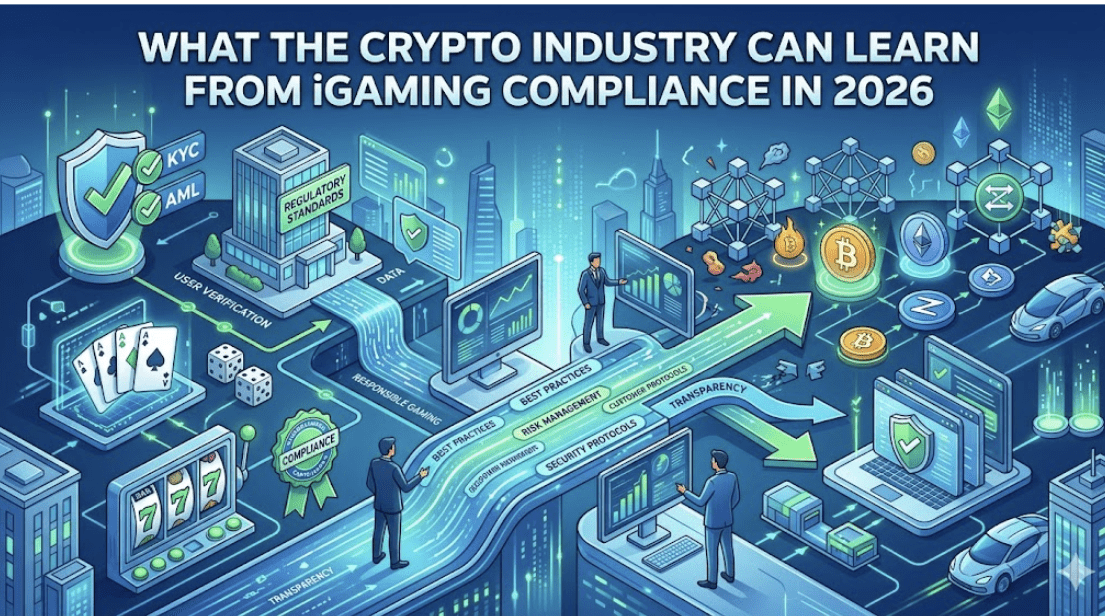
GlobeNewswire points out that the need for substantial rolling reserves results in high initial deposits, which can impose a heavy financial burden on operators (globenewswire.com). If a transaction or multiple transactions result in a suspicious activity report, the involved funds may be frozen while financial intelligence units or regulatory authorities conduct an investigation. These funds act as collateral for any potential financial responsibilities that may arise from disputed transactions, providing a safety net for PSPs and banks. Because of the greater risk of chargebacks in the iGaming industry (as highlighted in Section 4), payment service providers and acquiring banks commonly require operators to maintain a rolling reserve.
However, the payment processing challenges within the iGaming sector create numerous complications. To help mitigate legal challenges, iGaming operators ought to invest in compliance staff and legal experts who are well-versed in the laws applicable to their operational jurisdictions. Failure to comply with the new regulations may result in hefty fines, revocation of licenses, or lawsuits, highlighting the importance of staying informed and adapting to legal changes. For instance, in recent times, several states in the US have legalized online sports betting, with others likely to follow suit. Operators are required by law to provide facilities and resources for gambling addiction treatment, self-exclusion, and setting limits. It is essential for operators to establish strong Know Your Customer (KYC) protocols, monitor transactions for any suspicious activities, and report such transactions to the appropriate authorities.
It is evident that a solid business relationship is crucial for successful operations, as loyalty and trust play vital roles in any business collaboration. Open banking and cryptocurrency frequently offer lower fees and eliminate chargeback risks, whereas card methods experience decline rates exceeding 13% and significant chargeback exposure. By dynamically routing transactions across various payment methods and acquirers, you can minimize single points of failure and consistently enhance approval rates.
By offering a wide range of payment methods, platforms can attract and retain more players, as seen in PayDo’s services for the iGaming industry. For example, a leading iGaming platform saw an increase in player retention after optimizing its iGaming payment processing system to support faster transactions and multiple payment methods. IGaming payment processing impacts the operator’s bottom line and the player’s experience. Understanding chargebacks in high-risk industries is critical for maintaining payment stability in the gaming sector. Full visibility into fees by processor, method, and market – and clear settlement reporting that supports cash flow management.
If a user can deposit instantly and see their winnings hit their account the same day, they have no reason to look elsewhere. When operators clean up that experience, they see a direct lift in total revenue. If that first choice hits a technical snag or a random bank glitch, the system immediately tries a second or third backup route. When a player hits pay, the system looks at dozens of banks and instantly picks the one most likely to approve that specific transaction. This part of the infrastructure connects the iGaming operator with local banks in the specific regions where players actually live.

Only recognized esports and online social games, without any stakes involved, remain legal. Here, fiat access refers to virtual accounts and QRIS provided by aggregators. The online casino market is not a viable option for entry in Japan. Offshore casinos continue to accept payments from Japanese players via payment agents, and each of these transactions supports an illegal market. As of September 25, 2025, Japan has prohibited the display of illegal online gambling sites and apps to residents and the promotion of content that directs them there. While online casinos are illegal in Japan, pachinko and horse racing are permitted under their respective regulations.